
Transforming the Toughest Waste Into Jobs, Products, and Possibility
A blueprint for circular growth and a cleaner future
This facility is more than a place where waste gets sorted. It’s where new jobs are born, where products are reimagined, and where environmental stewardship fuels economic opportunity, creating a ripple effect of impact that goes far beyond the bin.
We Do the Hard Work Recycling Won’t Touch
Most recycling stops at the easy stuff — clean plastics, cardboard, aluminum cans. But the real challenge? Mixed-material waste that’s fused, layered, stitched, and glued together.
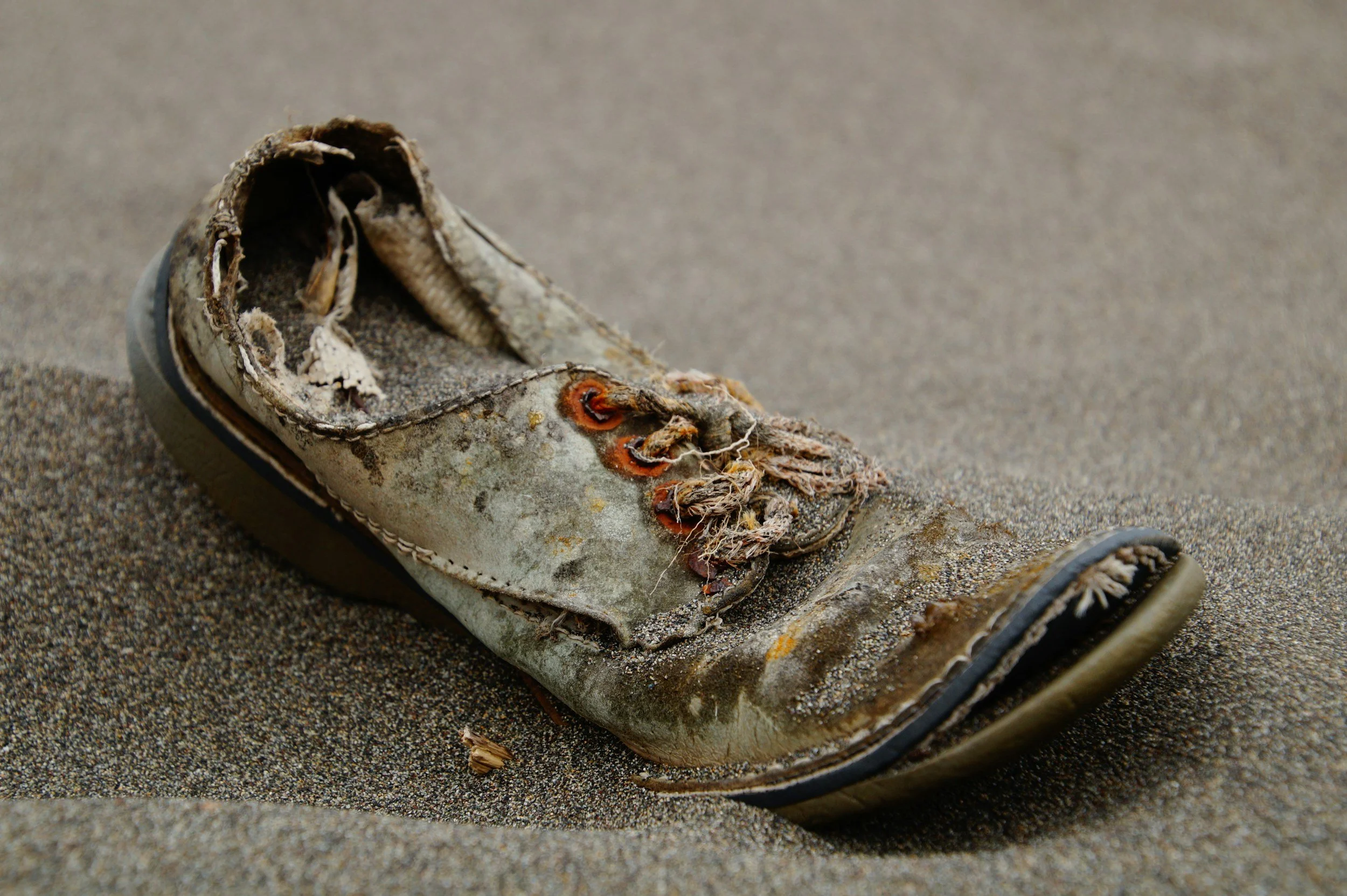
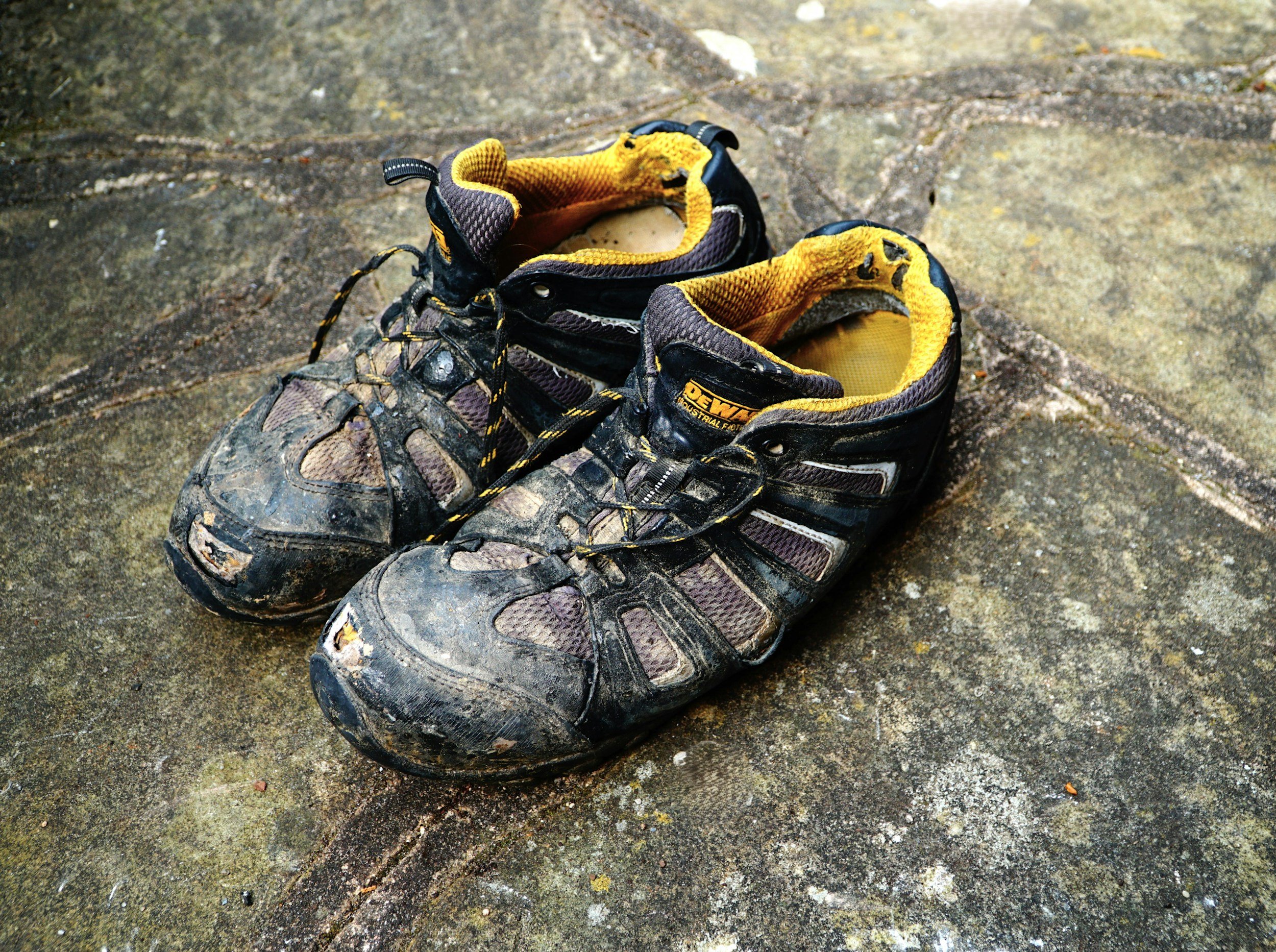
Like shoes.
Shoes are built to be durable, comfortable, and nearly indestructible. That’s great for your feet, but a challenge for the planet. With rubber soles, synthetic uppers, foam padding, and fabric linings all combined into one product, traditional recycling systems throw up their hands.
We don’t.
Our facility is designed to take on these complex, hard-to-separate materials. Using industrial grinders and high-powered separators, we’ll break them down into reclaimable components, opening new streams of raw materials that would otherwise go to landfill.

A Two-Phase Development Plan
Our facility rollout is structured in two key phases, each designed to increase our economic independence, deepen our environmental impact, and expand job creation at every level.
Phase 1:
From Waste to Raw Materials
Our first phase is focused on infrastructure and equipment investment. We’ll build the recycling facility and install two powerful machines: a grinder and a separator designed specifically to break down and process complex mixed waste.
This allows us to reclaim raw materials and sell them to industries that need sustainable feedstock. This stage is key to establishing early-stage revenue streams and proving our model’s viability.
-
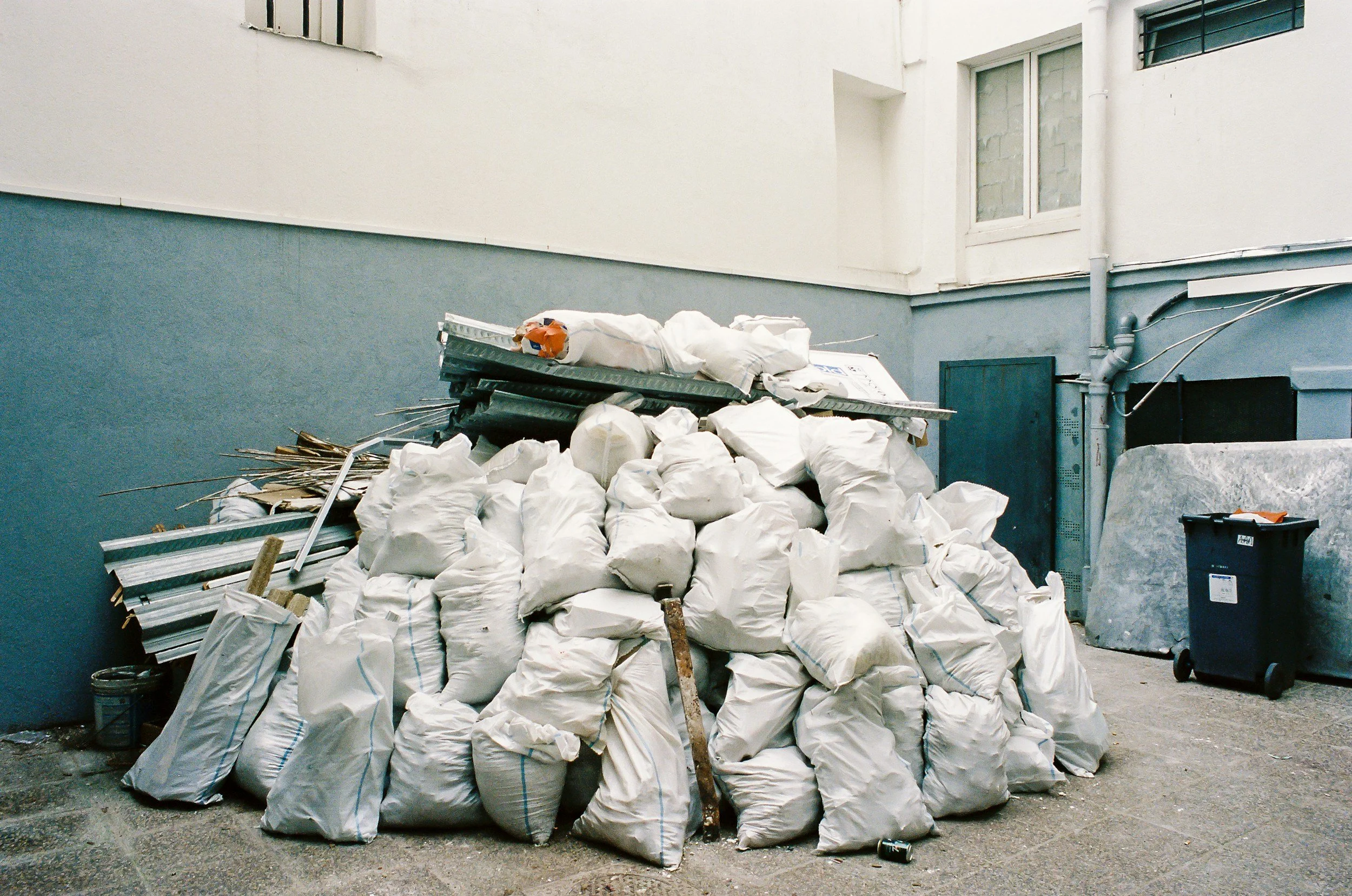
Post-consumer shoes, textiles, and other mixed-material waste
-
Separated plastics, ground composite materials, and other high-demand raw waste streams
Phase 2:
From Raw Materials to Our Own Products
Once our systems are running efficiently and sustainably, we’ll move into product manufacturing, keeping the raw materials in-house and turning them into value-added, durable products.
-
In-house production not only increases our margins, it deepens our impact: we’ll be transforming local waste into local goods - closing the loop entirely.
Each product will reduce reliance on virgin plastics and create new pathways for employment and entrepreneurship, particularly in underserved areas.
-
Plastic Lumber: For use in home construction, fencing and furniture
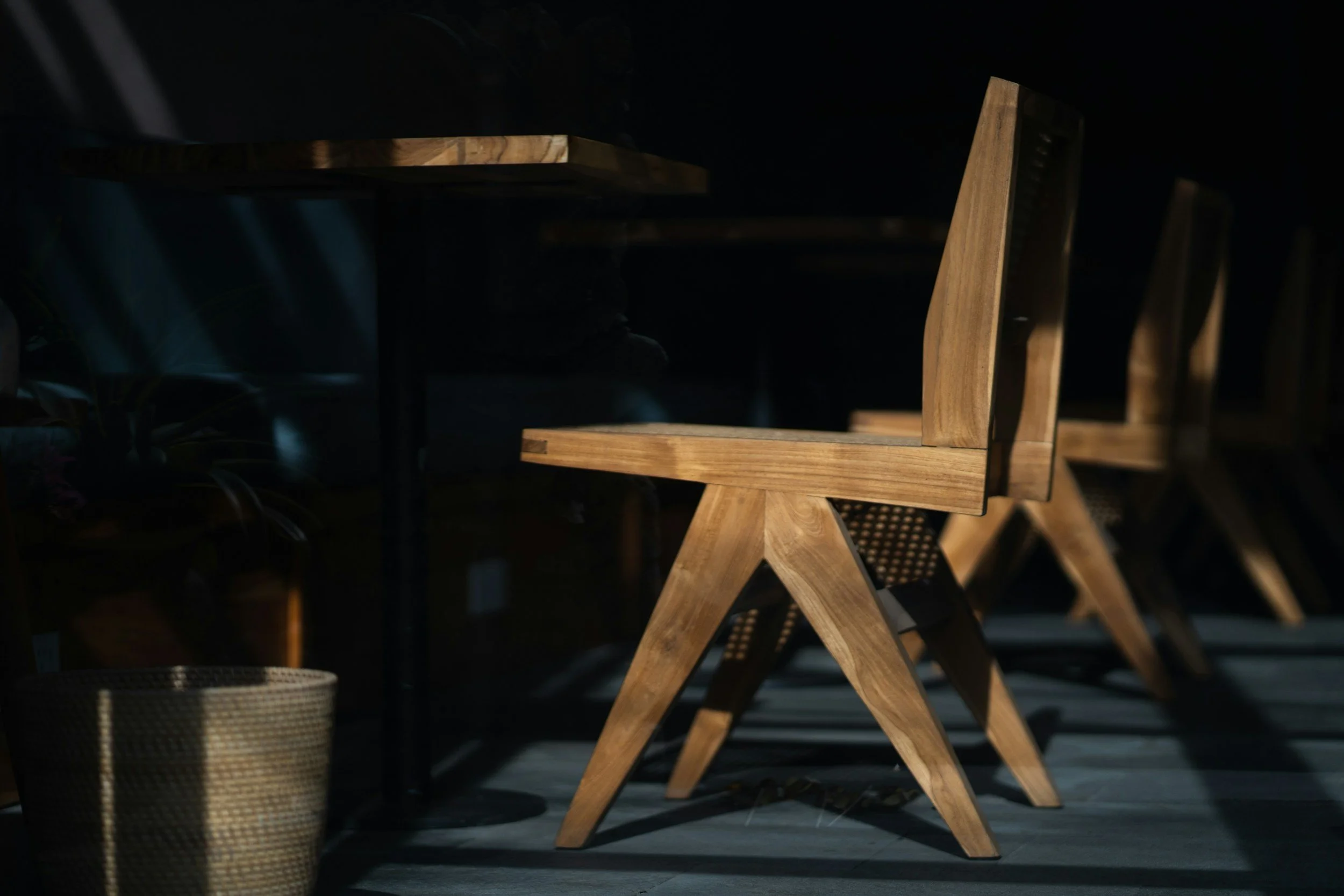
Durable Plastic Chairs: Built for use in schools, homes, community centers - anywhere seating is needed
Heavy-Duty Plastic Shipping Pallets: Designed for logistics, supply chain, and industrial use

Cleaning Our Planet. Fueling Our Local Economy.
The environmental story is clear: we divert complex waste from landfills, reduce microplastic pollution, and cut carbon by producing locally rather than importing finished goods.
But the economic story is just as powerful:
New Green Jobs: From machine operation to product assembly to logistics
Skills Training: For workers in materials processing, manufacturing, and circular design
Circular Economy in Action: Products that come from — and serve — the same communities
Revenue Reinvestment: Every product sold sustains the mission and funds further expansion
This is sustainability that scales.

Built for Impact. Designed to Scale. Aligned with the Future.
While many recycling efforts plateau at collection and sorting, we’re designing our facility to go further, reclaiming value from the most difficult waste streams and creating a vertically integrated model that’s both sustainable and economically resilient.
-
Mixed-material waste, especially footwear and textiles, is one of the fastest-growing and least-addressed waste categories globally. Our facility fills a crucial gap in infrastructure by processing what conventional systems can’t.
-
From raw material recovery to product manufacturing, we control the entire process, which means higher margins, fewer middlemen, and more reinvestment into community jobs and innovation.
-
We’re building a system that doesn’t rely solely on donations or subsidies. By selling raw materials in Phase 1 and producing high-demand products in Phase 2, we create multiple revenue streams that sustain and scale the mission.
-
Every decision, from equipment investment to product design, is made with the full lifecycle in mind. This is true circularity, with environmental, economic, and social returns built into every phase.
-
As we grow, we’ll create meaningful green jobs, technical training opportunities, and new skill pathways for workers, proving that sustainability can drive inclusive economic growth, not just environmental gains.
-
Our Phase 2 products, like plastic lumber, chairs, and industrial shipping pallets, meet real, existing needs across construction, education, logistics, and community infrastructure. We're not trying to invent a market. We’re stepping into one that’s ready.